
Seriously, a ‘Female Monster’?
Okay, so when you see the words ‘female monster’ in a Korean headline, your mind might jump to a Gumiho (a nine-tailed fox) or some scary creature from a webtoon. But this article is talking about something way more real and, honestly, way cooler. It’s part of a series called ‘[Reading 100 Years of Korean Women’s Literature Backwards]’. The headline is a metaphor for how society treated the first generation of feminist writers and artists in the early 20th century. Back then, Korea’s social structure was intensely patriarchal. For a woman to speak her mind, demand equality, or choose a career over marriage was seen as so unnatural and disruptive that she was labeled a ‘monster’ for trying to break the system.
Meet the Original ‘Unnie’ Who Broke the Rules
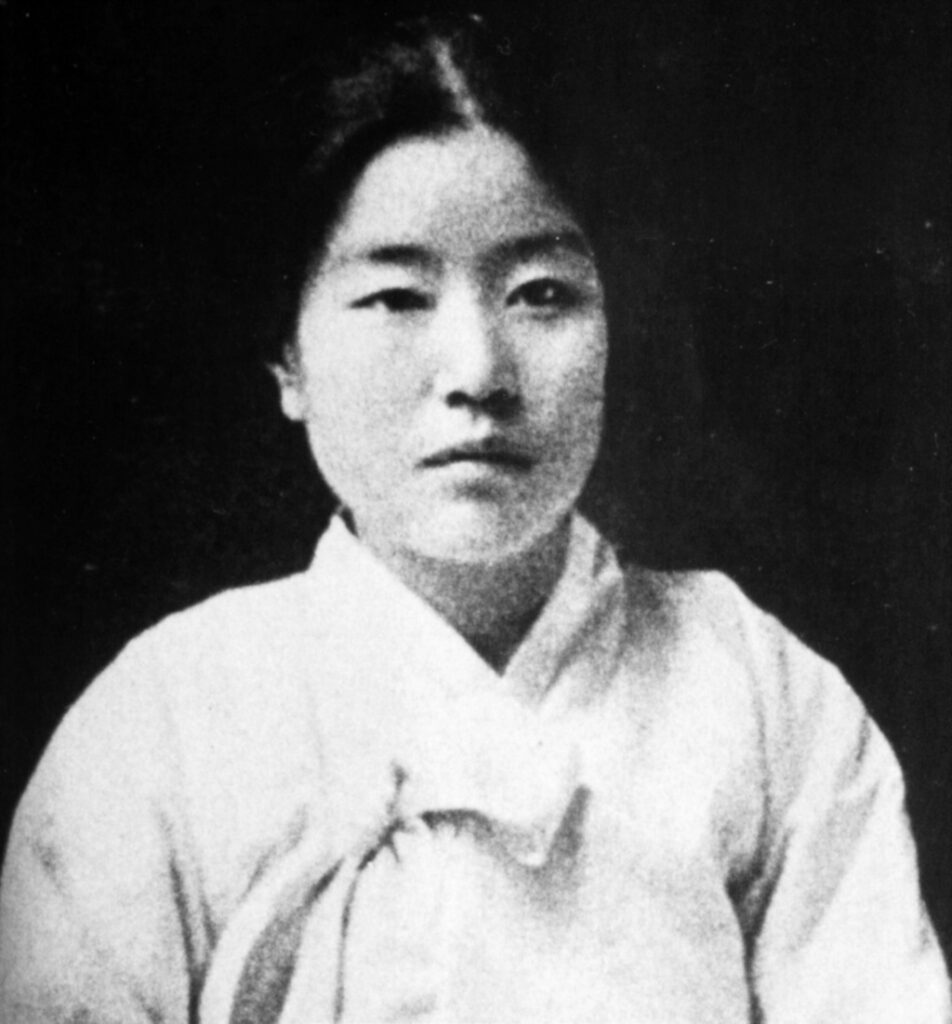
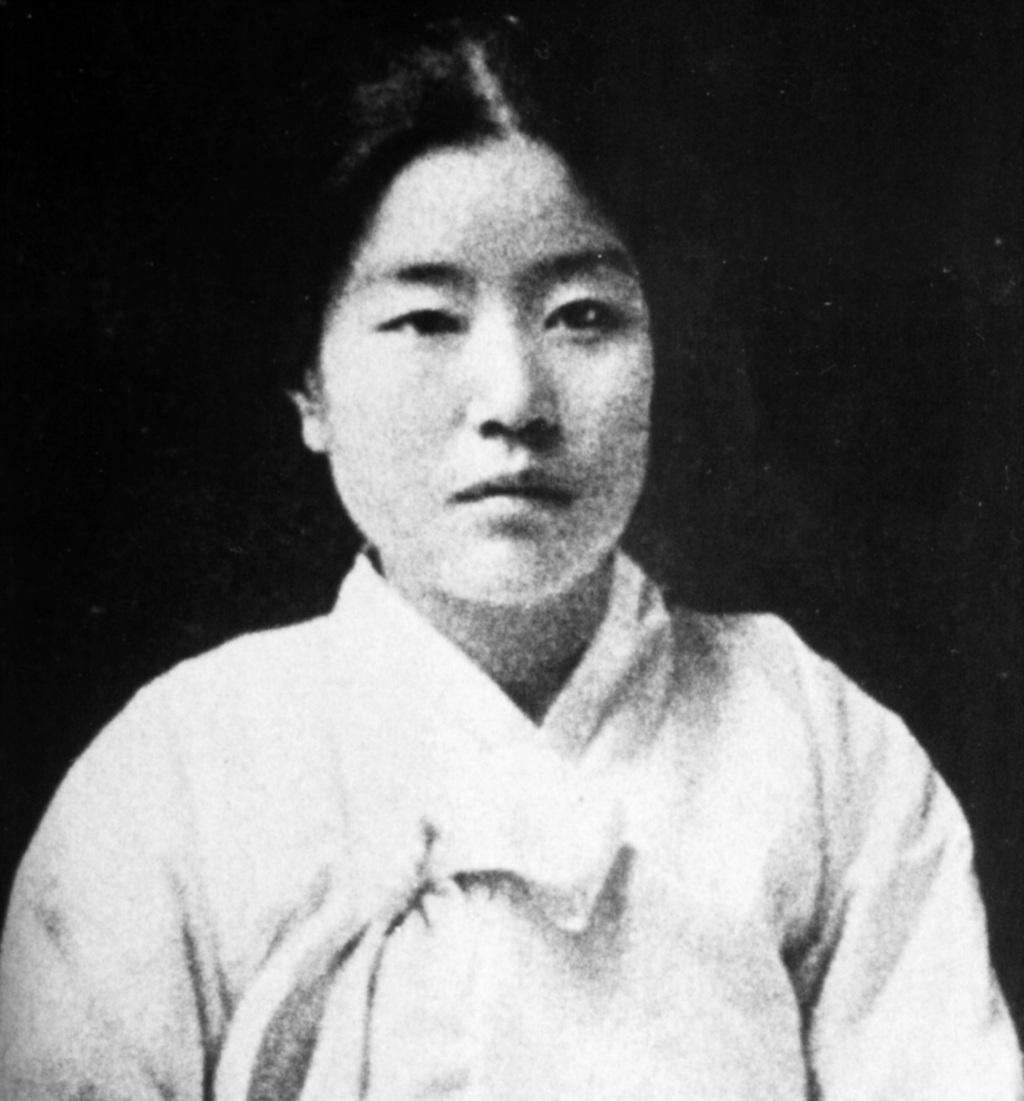
The article series talks about amazing pioneers who fit this ‘monster’ label, and the most iconic one has to be Na Hye-sok. If she were alive today, she’d be an absolute superstar celebrity. She was one of Korea’s first professional female painters and a writer during the Japanese colonial period. She wrote stories and essays demanding that women be seen as more than just wives and mothers, which was totally scandalous at the time. She traveled, she loved freely, and she wrote about her experiences, including divorce, from a woman’s perspective. For doing all this, she was judged harshly and died in poverty, but she’s now seen as a heroic figure who paved the way for all of us.

Writing New Rules, Not Just Breaking Them
The other part of the headline, the ‘Female Legislator,’ is also a metaphor. These writers weren’t literally in the government passing laws. But through their novels and poems, they were creating new rules for what it meant to be a woman. They were writing new possibilities and new dreams into existence. Before them, most stories were about men, from a man’s point of view. These authors put female characters at the center and explored their inner lives, struggles, and desires, basically creating a blueprint for a new kind of Korean woman.
Why This Still Matters Today
It’s so cool to think about this history because when you see powerful K-Pop girl groups, successful female CEOs in K-dramas, or just the confident women walking around Seoul today, you realize it’s all built on the sacrifices of these ‘monsters’ and ‘legislators’ from a century ago. They fought the lonely battles so that future generations could have it easier. The article is a great reminder that progress doesn’t just happen—it’s made by brave people who aren’t afraid to be called monsters. It makes me appreciate my favorite female artists and creators even more!