
The End of a 17-Year Era
Hey everyone! There’s some major news shaking up the university scene here in Seoul. For as long as I can remember (literally, 17 years!), private universities haven’t been able to raise their tuition fees. The government had a clever way of keeping prices locked: they tied a big scholarship, called the ‘Type II National Scholarship’, to whether a university kept its tuition frozen. If a school decided to charge more, their students would lose access to that scholarship money. It was a powerful way to control the cost of education and ease the burden on students and parents.
However, this policy put a huge financial strain on the universities. Many schools argued that without being able to adjust for inflation, they couldn’t afford to invest in better facilities, hire top-tier professors, or compete on a global scale. Imagine running a business where your prices are stuck in the late 2000s while all your costs keep going up! That’s the situation they were in.
So, What’s Changing?
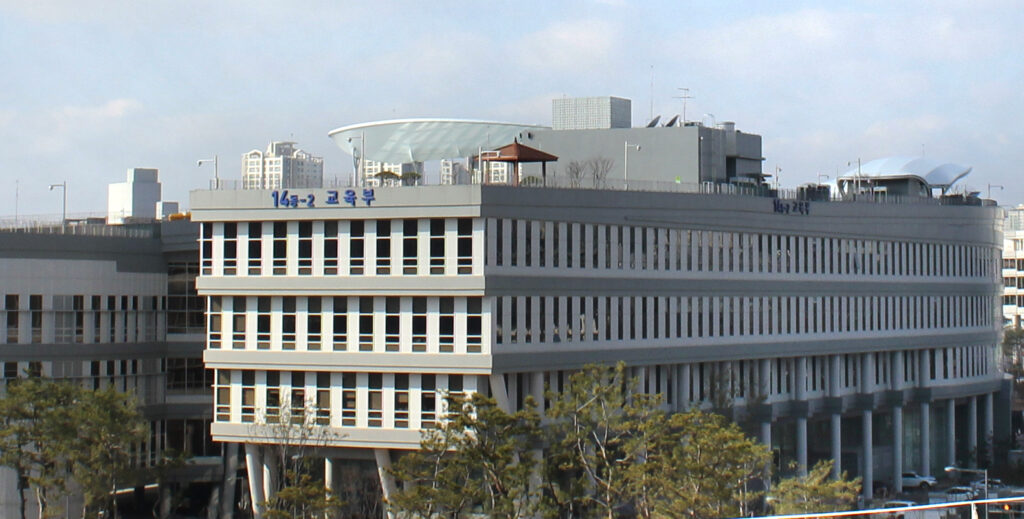
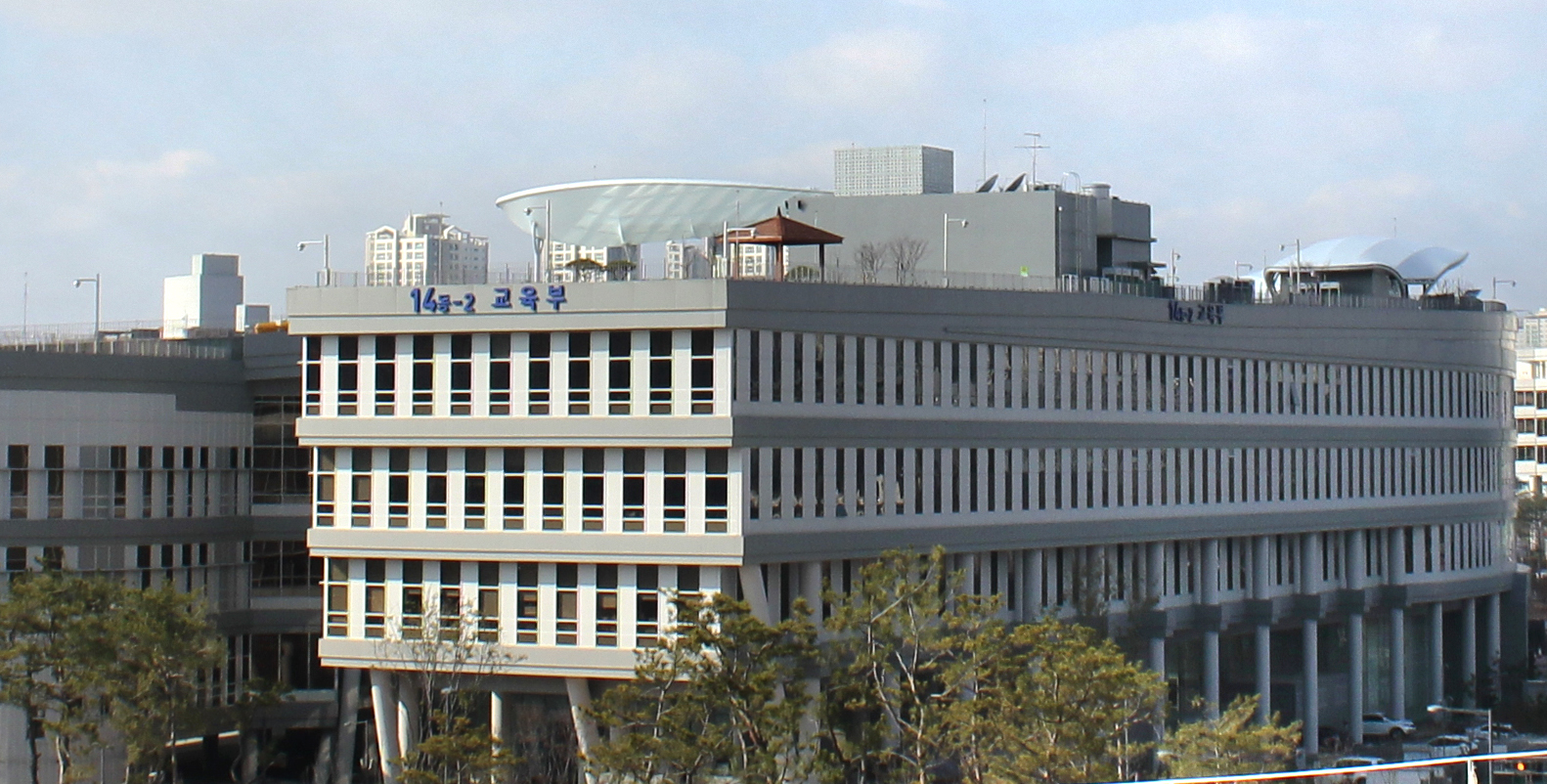
The Ministry of Education just announced that starting in 2027, they’re getting rid of this scholarship link. This means private universities will finally have the freedom to increase their tuition without being penalized. The government decided that the financial struggles of these universities were becoming too serious to ignore, impacting the overall quality of higher education in Korea. They realized that forcing schools to stay afloat on decade-old budgets was hurting their competitiveness in the long run.

But There’s a Catch!
Before you start thinking that tuition is about to skyrocket, there are still some important controls in place. The government isn’t just letting universities charge whatever they want. There’s a new, stricter cap on how much they can raise fees. The increase can’t be more than 1.2 times the average inflation rate of the past three years. So, while tuition will likely go up, the increases are meant to be gradual and tied to the economy. It’s a balancing act: giving universities the financial flexibility they need while still protecting students from sudden, massive price hikes.
What This Means for Students
This is where it gets complicated. On one hand, higher tuition is never fun news for students and their families. The cost of living is already a big concern for young people in Korea. On the other hand, universities argue that this change is essential for improving the quality of education. They’re hoping the extra income will lead to better resources, newer technology (especially for fields like AI), and a better overall learning environment. It’s also important to note that this change only applies to private universities; public and national universities are expected to keep their tuition frozen for now. We’ll have to wait and see how this all plays out, but it’s definitely one of the biggest changes to Korean education in a long time!